

There is a quiet image most leaders carry, even if they rarely say it out loud: the desire to have people follow close behind them.
Not dragging behind. Not resisting. Not waiting to be told what to do. Half a step back, already adjusting, already supporting the movement. Not mindless obedience. Not hero worship. Just alignment.
When leadership works, everything feels lighter. Momentum replaces friction. Decisions move without distortion. You don’t spend your days clarifying, correcting, or recovering from misinterpretation. People anticipate what matters and act accordingly.
This is what many leaders actually want. Not control. Not admiration. But followership that works.
Entrepreneurship is fundamentally a leadership game. Employees are followers. Customers are followers. Even the marketplace “follows” through changed behavior. If no one follows, nothing scales. If no one aligns, effort multiplies but progress does not.
Early in my career, running an IT company with about thirty people, I experienced a stretch where this alignment existed. It wasn’t perfect, but direction traveled cleanly. People leaned into it. They adapted quickly. They often encouraged me forward when I hesitated. It felt like the organization could move as a single body.
That experience clarified something important:
Followership cannot be demanded. It has to be earned.
There is a deeply entrenched belief, what I call a Zombie Operating System™ view of leadership, that alignment, ownership, and loyalty can simply be requested. As if leadership were positional rather than relational.
It isn’t.
You do not get followers in lockstep because you want them. You get them because you have done the work required to deserve them.
There are no shortcuts. But nearly every leader can move toward this. The work falls into three areas.
The First Cost: Clarity
If people are to align behind you, they must know where you are going. Not vaguely. Not emotionally. Not as a general feeling. They need clarity they can organize themselves around.
Most leaders believe they are clear. They are not. Not because they lack intelligence, but because they cannot see the gaps in their own thinking. Others can. And those gaps show up as hesitation, friction, and resistance, which leaders often misinterpret as execution problems.
In working with entrepreneurs, this is almost universal. The vision sounds compelling until it is examined closely. Then it becomes thin. Incomplete. Difficult to follow.
Real vision takes time. It requires sustained inquiry, into the business and into yourself. You must know what you want, what works for you, what kind of life your business is actually building. Without that clarity, you cannot offer others a future they can trust.
If you want a structured place to build that level of clarity, not alone, and not theoretically, Entrepreneurs EDGE exists for exactly this reason.
We don’t just talk about alignment.
We pressure-test it.
We refine it until it can actually be followed.
If you are ready to earn followership instead of hoping for it, this is where that work happens.
People don’t just need to know where you’re going. They need to understand the rules of the game. Your values. Your standards. Your boundaries. These are not cultural accessories, they are orientation devices.
Until you can follow yourself, you cannot expect others to follow you.
What often feels like failure is simply the cost of insufficient clarity.
The Second Cost: Care
Alignment does not come from extracting effort. It comes from protecting and investing in the people who choose to follow you.
This is structural, not sentimental.
When leaders consistently take their people’s concerns seriously, often more seriously than the people do themselves, something shifts. People relax. Loyalty forms. Energy rises.
Not because it was demanded. Because it was earned.
This requires genuine curiosity about who your people are becoming and where they are headed. It also requires a shared trajectory. Alignment is not sameness, but it does require movement in roughly the same direction.
Sometimes the future you help someone build lives inside your company. Sometimes it prepares them for something beyond it. Either way, leadership requires honesty about the deal.
People act like owners when the success of the business produces meaningful gain in their own lives.
You must also overcome cynicism. Many people have been trained to distrust leadership. Care cannot be a tactic. If it is merely instrumental, it will be felt.
And it will fail.
The Third Cost: Openness
If people are half a step behind you, they will see things you cannot. They will detect cracks before they reach the surface. If they have no real influence, if their voice cannot shape direction, their commitment fades.
Alignment without influence becomes compliance.
Compliance never produces lockstep.
This requires humility. When you stumble, others absorb the impact. Leadership that works demands openness to being shaped by those who are organizing themselves around your direction.
The image of followers in lockstep is not a fantasy. It is achievable. And it is one of the most rewarding experiences leadership offers.
But it is not free.
It requires clarity most leaders avoid, care many organizations shortcut, and openness that challenges the ego.
Leadership is not about being admired.
It is about being worth following.
And that is an ongoing discipline.
If you are ready to raise your standard as a leader, Entrepreneurs EDGE begins soon.
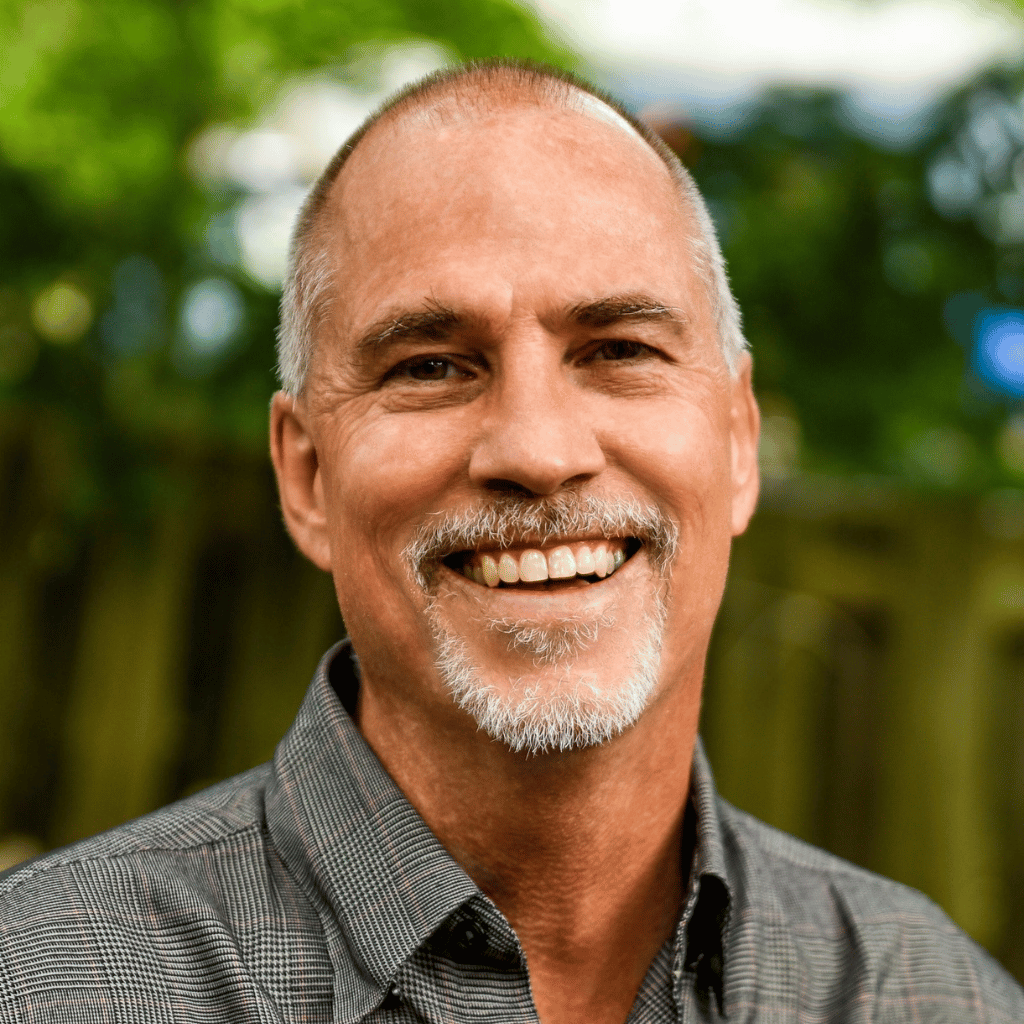
Entrepreneurial Leadership Coach & Founder of Livingston Entrepreneurial Academy
Want more insights like this?
Sign up to get practical business insights delivered straight to your inbox, along with expanded articles, resources, and downloadable white papers.
Explore More Articles
- Business (4)
- Creativity (2)
- Entrepreneurship (8)
- Leadership (6)